Case Study - Chef: Blog
A comprehensive food blog platform built to explore responsive design principles, CSS Grid layouts, and mobile-first development through rich culinary content
- Client
- Personal
- Year
- Service
- Leraning Activity
Overview
ES Food began as a personal challenge: master responsive design principles by building something meaningful. Rather than creating another generic portfolio piece, we chose to explore the rich world of culinary content—a domain perfect for testing complex layouts, image handling, and content hierarchy across devices. The project became a comprehensive exploration of modern CSS techniques, from CSS Grid fundamentals to advanced responsive patterns. We built a platform showcasing chef profiles, signature recipes, and curated collections while learning critical skills in mobile-first development, performance optimization, and scalable design systems. The learning objectives were clear: understand CSS Grid beyond basic tutorials, implement fluid typography that scales beautifully, master breakpoint strategies for complex layouts, and build reusable components that work everywhere. ES Food provided the perfect canvas for these experiments.
What we did
- Flexbox Mastery
- Mobile-First Development
- Responsive Typography Systems
- Breakpoint Strategy
- Component Architecture
- Performance Optimization
- Progressive Enhancement
- Modern CSS Techniques
Mobile-First Mindset Shift
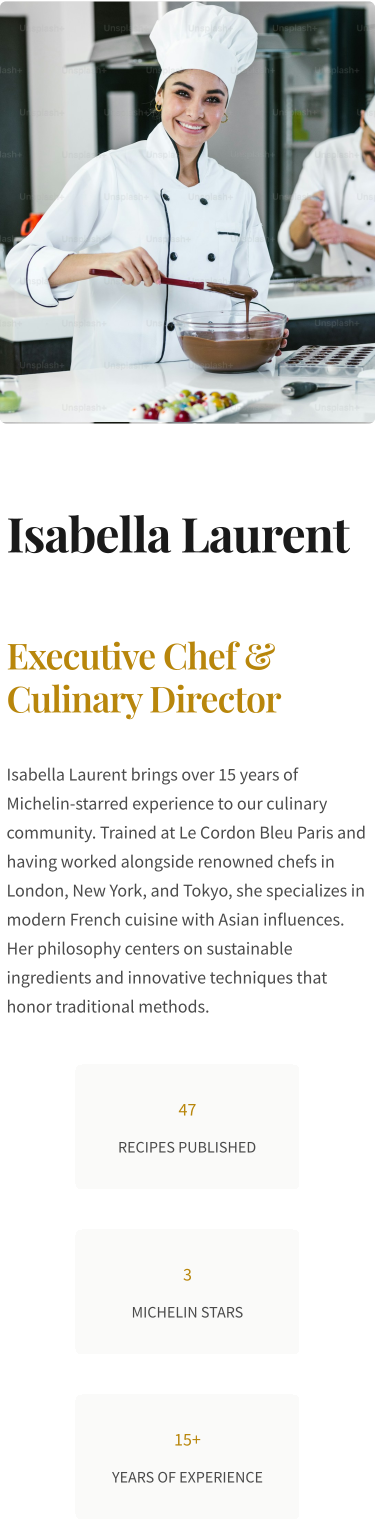
Starting with mobile constraints forced better design decisions. The hero section's "Where Culinary Excellence Meets Innovation" needed to be impactful on a 320px screen before scaling up. This approach revealed content priorities we might have missed designing desktop-first. Navigation patterns evolved from mobile hamburger menus to desktop horizontal layouts, teaching us progressive enhancement principles. The mobile experience wasn't a cramped version of desktop—it was a focused, thumb-friendly interface optimized for quick content consumption.
Breakpoint Strategy and Component Thinking
Rather than arbitrary breakpoints, we let content determine layout changes. The curated collections section naturally needed reorganization at 768px when three-column cards became too narrow. This content-driven approach created more meaningful responsive behavior. Component reusability became essential when recipe cards appeared in multiple contexts—featured sections, search results, and chef profiles. Building flexible components that maintained visual consistency while adapting to different containers taught valuable abstraction skills. The footer's four-column layout required careful planning: single-column mobile, two-column tablet, and four-column desktop. Using CSS Grid's grid-template-areas made these transitions smooth and semantically clear.
Typography and Visual Hierarchy
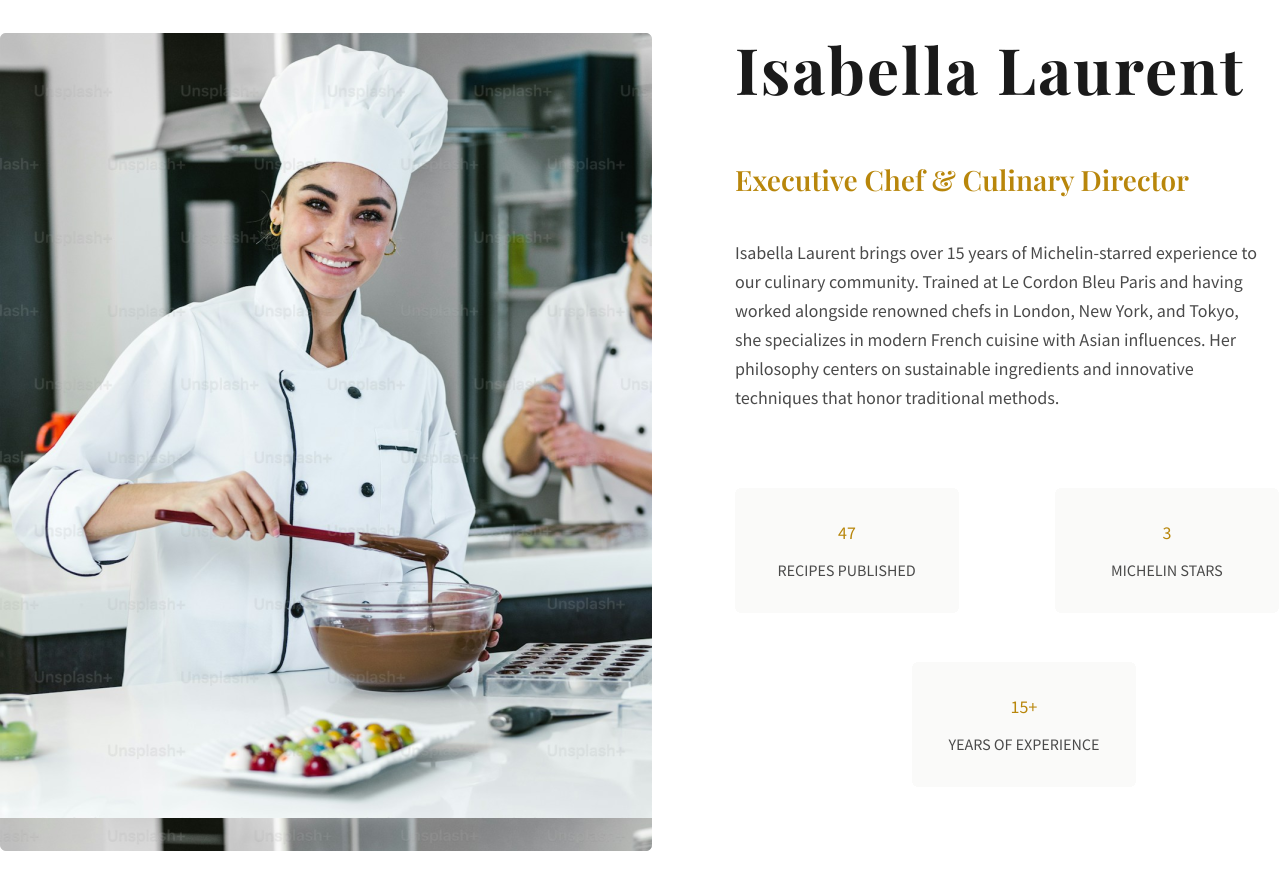
Responsive typography went beyond simple scaling. The chef bio sections needed comfortable reading experiences across devices while maintaining brand personality. We implemented a modular scale system with rem units for consistent spacing relationships. Image handling became a masterclass in modern web techniques. The signature recipe cards required images that looked stunning on retina displays without crushing mobile performance. Learning srcset and responsive images was crucial for real-world development. Color contrast and accessibility considerations were tested across all viewport sizes. What worked on desktop might fail on mobile due to ambient lighting conditions, teaching us to design for real-world usage scenarios.